Chandigarh Turns 75: Reflecting on the Making of India’s First Planned City
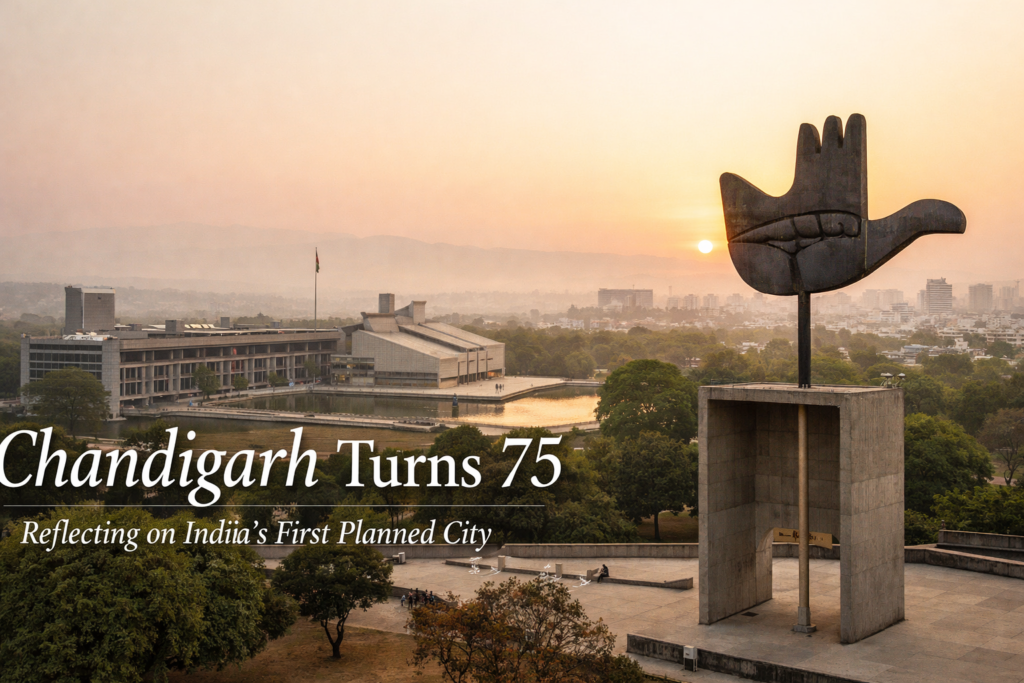
Chandigarh’s Capitol Complex stands as a symbol of India’s first planned city as it completes seventy five years.
January 24, 2026 | Chandigarh | City Spectrum
Chandigarh has reached a significant milestone, marking seventy-five years since the idea of the city first took shape. Conceived in the early nineteen-fifties, Chandigarh was envisioned as India’s first planned modern city, created to reflect the optimism and ambition of a newly independent nation.
Designed under the master plan of architect Le Corbusier, the city was meant to represent a clear break from the overcrowded and unplanned urban centres of the past. Order, openness, and functionality formed the foundation of its design, principles that continue to define Chandigarh even today.
Remembering a Planned Beginning
From its very beginning, Chandigarh stood apart. Its sector-based layout, wide roads, dedicated green spaces, and clearly defined civic zones offered a new way of thinking about urban life in India. The planning focused not only on buildings and roads but also on how people would live, move, and interact within the city.
Over the years, this approach earned Chandigarh recognition both nationally and internationally. The city gradually came to be known for its disciplined planning, clean environment, and balanced pace of life.
Year-Long Events to Mark the Milestone
To commemorate seventy-five years of its journey, a series of events has been planned across the year. These include cultural programmes, heritage exhibitions, public talks, and activities designed to involve residents directly. The focus of these events is not only on architecture but also on the social and cultural fabric that has grown alongside the city.
Heritage exhibitions trace the evolution of Chandigarh from drawings and blueprints to a living, functioning city. Talks and discussions bring together architects, planners, historians, and citizens to reflect on the ideas that shaped the city and how they remain relevant in present times.
Architecture as Everyday Experience
Chandigarh’s architecture has always been more than visual landmarks. Its planning philosophy is visible in everyday routines — tree-lined streets, neighbourhood markets, public parks, and clearly organised residential areas. These elements contribute to a sense of order that residents often take for granted but visitors immediately notice.
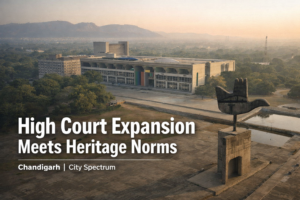
Landmarks such as the Capitol Complex, government buildings, and civic spaces continue to stand as reminders of the city’s original vision, while also functioning as active parts of daily governance.
The Role of Citizens
An important part of the anniversary celebrations is citizen participation. Heritage walks, storytelling sessions, and community events invite residents to engage with the city’s past in a personal way. These initiatives recognise that Chandigarh’s identity has been shaped as much by its people as by its planners.
By encouraging public involvement, the celebrations aim to reconnect residents with the ideas behind the spaces they use every day.
Looking Forward While Honouring the Past
While the seventy-five-year milestone is an occasion to reflect, it also opens conversations about the future. Urban sustainability, conservation of architectural heritage, mobility, and responsible growth are among the themes being discussed during the celebrations.
As Indian cities continue to expand rapidly, Chandigarh’s experience offers valuable lessons on long-term planning and balance between development and liveability.
A City Built on Ideas
Seventy-five years after its conception, Chandigarh remains a rare example of a city built on clear ideas and careful planning. Its journey highlights how vision, discipline, and respect for public spaces can shape a city that continues to function well across generations.
The anniversary serves not only as a celebration of the past but also as a reminder of the responsibility that comes with preserving and carrying forward a thoughtfully planned urban legacy.